
My mother, (age 66), my self (42,) and my daughter (18) all went snorkeling together we had an awesome time. The guides were funny and had a lot of information. They...
In September 13, 2024When we think of astonishing marine animals, few can compete with the octopus. This ocean-dwelling creature has captured the imagination of scientists, divers, and nature lovers alike. With its almost alien appearance, camouflaging skills, extraordinary intelligence, and solitary, enigmatic lifestyle, the octopus has earned its place as one of the most fascinating animals on the planet.
In this blog, we will explore the most incredible and strange facts about octopuses: where they live, how many species exist, which ones are the most common, how they behave, and of course, we will dedicate a special section to the octopuses found in the Mexican Caribbean, one of the places where these creatures reach their highest expression of beauty and diversity.
Octopuses are cephalopod mollusks, relatives of cuttlefish, squids, and the argonaut. Their name comes from the Greek words okto (eight) and pous (foot), which literally means “eight feet.” Each of those eight arms is covered with suction cups endowed with tactile and chemical sensitivity, capable of sensing their environment with astonishing precision.
What makes the octopus so unique is the combination of several features:
Octopuses live relatively short lives—between 1 and 5 years depending on the species—but they take full advantage of that brief period to develop sophisticated behaviors that continue to puzzle scientists.
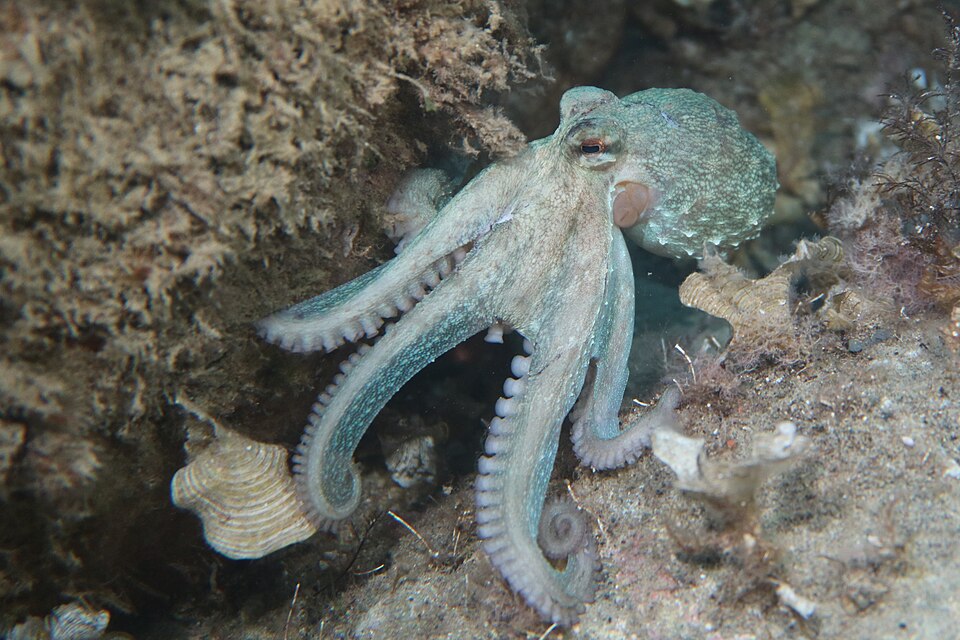
One reason octopuses are so well known is that they live in almost every ocean on the planet. From warm, shallow waters to abyssal depths of more than 3,000 meters, these animals have conquered a vast variety of ecosystems.
In summary: if a marine ecosystem offers shelter, food, and tolerable temperatures, there’s probably an octopus living there.

Around 300 species of octopuses have been described so far, distributed across different genera and families. However, scientists suspect there may be many more, especially in deeper regions that remain largely unexplored.
Species vary greatly in size, shape, and behavior:
Their diversity also extends to colors, patterns, and abilities. Some are camouflage experts, others display surprisingly advanced social behaviors, and some even produce toxins dangerous to humans, such as the famous blue-ringed octopus.
Although many species are hard to see due to their shy and nocturnal nature, some are quite well known and frequently found in various regions.
Probably the most iconic species. It lives in temperate and tropical waters, especially in the Atlantic and Mediterranean. Famous for its intelligence and camouflage skills.
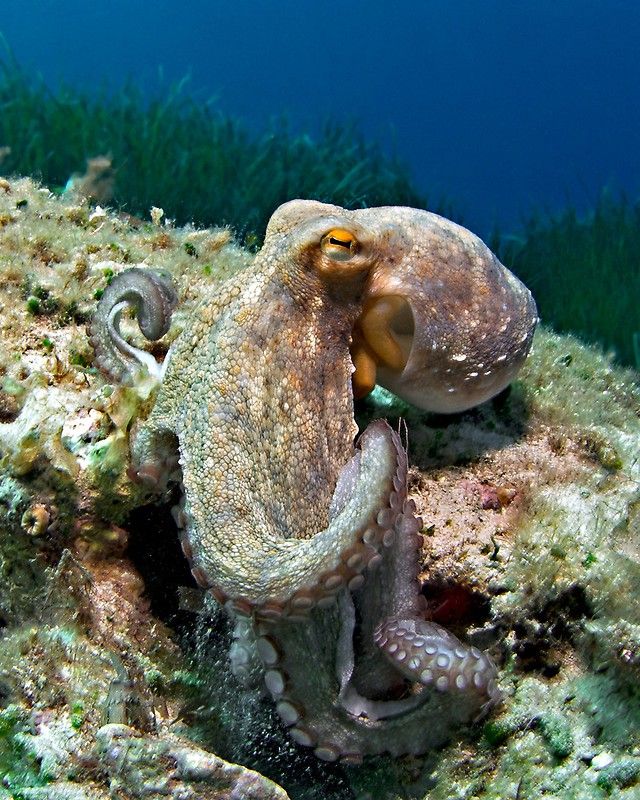
The largest of all. It inhabits the cold waters of the North Pacific—Alaska, Japan, and Canada. Despite its size, it is shy and highly intelligent.

Small but deadly. Its venom is one of the most potent in the animal kingdom. Found in Australia and Southeast Asia. Stunning but dangerous.

A deep-sea species known for its “ears” resembling those of the Disney character Dumbo. Rarely seen except through deep-sea submersibles.

A medium-sized species common in Indo-Pacific reefs. Notable for its advanced social behavior and tool use.

This is perhaps the most entertaining part of the blog—octopuses often seem like creatures straight out of a sci-fi movie.
The Mexican Caribbean is a paradise for divers, photographers, and marine enthusiasts. It not only holds one of the largest coral reef systems in the world but is also home to several stunning octopus species known for their beauty and behavior.
Here are the most representative:
An endemic species from southeastern Mexico, especially the Yucatán Peninsula. It has significant ecological and economic importance as part of local fisheries.
Characteristics:
Common in Cozumel, Isla Mujeres, Holbox, and the coast of Yucatán.

Known for its iridescent glow and bluish hues, it is one of the most beautiful octopuses of the Atlantic.
Notable traits:
A favorite sight during night dives.

Also present in the Mexican Caribbean, especially in rocky areas and reefs. Highly adaptable and often easier to spot during the day.

The mix of clear waters, abundant food, and plentiful hiding spots makes this region a true octopus paradise.
Octopuses play a crucial role in maintaining the ecosystem:
Octopuses are far more than curious creatures of the sea. They are complex animals with extraordinary behaviors, surprising cognitive abilities, and a variety of adaptations that seem taken from another world. From the abyssal depths to the warm reefs of the Mexican Caribbean, these beings have evolved into some of the most intriguing inhabitants of our planet.
As science advances, we continue discovering new species, new behaviors, and new abilities. All signs suggest that octopuses still guard secrets we have yet to understand.
And if you’re lucky enough to dive in the Mexican Caribbean, remember that behind every rock, inside every cave, or perfectly camouflaged in the sand, there may be an octopus quietly watching you… and analyzing your presence with an intelligence surprisingly close to our own.
Join us and discover the magic of these amazing marine creatures!
Facebook: Facebook
Instagram: Cancun Snorkeling (@cancunsnorkeling_) • Fotos y videos de Instagram
TikTok: Cancun Snorkeling (@cancun.snorkeling) | TikTok
My mother, (age 66), my self (42,) and my daughter (18) all went snorkeling together we had an awesome time. The guides were funny and had a lot of information. They...
In September 13, 2024Luis and the other tour guide (can’t remember the name sorry) were very nice and patient with everyone. They kept checking in on everyone to make sure no one got left...
In June 06, 2024Easy to get picked up and a great time snorkeling out in Puerto Morelos! Our guide and coral...
In April 25, 2024Our tour guides - Luis and Jesus - were amazing. They were very kind, patient and great at guiding us through the reefs. They would point out large aquatic life and...
In April 11, 2024We took our family of 9 on a snorkel trip with this company and had the best time! Our guides were super friendly and you could tell they love what they...
In February 29, 2024Our guides were amazing and definitely had a great time. I would recommend this to all my family and friends....
In February 29, 2024An amazing time seeing the reef! The staff were incredibly helpful and quick to point out...
In February 23, 2024The guides were great. Good time, had by all...
In February 22, 2024I have snorkeled at many locations, and this one near Puerto Morelos y undoubtedly one of the bests. Highly recommend...
In December 08, 2023They did an excellent job of taking care of everyone when we went snorkeling....
In December 03, 2023